
Systemic Juvenile Idiopathic
Arthritis (SJIA) — Research Overview
SJIA FAQ
What causes SJIA?
No single cause is confirmed. Research points to dysregulated innate immunity and cytokine signaling; infections may act as triggers in some children.
Why target IL‑1 or IL‑6?
These cytokines play central roles in systemic inflammation. Blocking them can rapidly reduce fevers, rash, and inflammation markers, improving outcomes.
What is MAS and how is it treated?
MAS is a hyperinflammatory crisis marked by sudden spikes in ferritin and organ dysfunction. Treatment is urgent and may include high‑dose steroids, IL‑1 blockade, and supportive care.
Where the research is heading
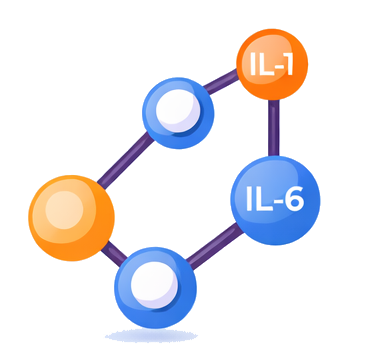
Inflammation Pathways
Understanding how innate immunity drives disease activity — with a spotlight on cytokines such as IL‑1, IL‑6, and IL‑18 — and how they relate to MAS.
- Cytokines
- Innate immunity
- Biomarkers
Biologics & Targeted Therapy
Earlier use of IL‑1 and IL‑6 blockers has transformed care. New trials explore JAK‑STAT modulation and combination strategies for refractory disease.
- IL‑1 / IL‑6
- JAK inhibitors
- Treat‑to‑target

Complications: MAS & Lung
Improving early detection of macrophage activation syndrome and understanding risk for lung involvement to prevent severe outcomes.
- Ferritin
- sCD163
- IL‑18
What we know today
- SJIA behaves more like an autoinflammatory condition than classic autoimmunit.
- Early targeted therapy can reduce systemic flares, steroid exposure, and joint damage.
- MAS is a medical emergency — rapid recognition and treatment save lives.
- We still need better biomarkers to predict flares and tailor therapy for each child.
Featured Collaborators
- We follow and support work from leading teams (examples):
- Children’s Hospital of Philadelphia (CHOP)
- CARRA (Childhood Arthritis and Rheumatology Research Alliance)
- NIH/NIAID investigators in autoinflammation
Systemic Juvenile Idiopathic Arthritis (SJIA) — Research Overview
Systemic Juvenile Idiopathic Arthritis (SJIA) research is advancing rapidly — uncovering how the immune system sparks inflammation, how treatments can intervene earlier, and how families and clinicians work together to improve long‑term outcomes. This page highlights the science behind progress in SJIA and macrophage activation syndrome (MAS), translating complex breakthroughs into clear, meaningful insight.
Where the research is heading
Inflammation Pathways
Understanding how innate immunity drives disease activity — with a spotlight on cytokines such as IL‑1, IL‑6, and IL‑18 — and how they relate to MAS.
Biologics & Targeted Therapy
Earlier use of IL‑1 and IL‑6 blockers has transformed care. New trials explore JAK‑STAT modulation and combination strategies for refractory disease.
Complications: MAS & Lung
Improving early detection of macrophage activation syndrome and understanding risk for lung involvement to prevent severe outcomes.
What we know today
- SJIA behaves more like an autoinflammatory condition than classic autoimmunit.
- Early targeted therapy can reduce systemic flares, steroid exposure, and joint damage.
- MAS is a medical emergency — rapid recognition and treatment save lives.
- We still need better biomarkers to predict flares and tailor therapy for each child.
Quick Q&A
What causes SJIA?
No single cause is confirmed. Research points to dysregulated innate immunity and cytokine signaling; infections may act as triggers in some children.
Why target IL‑1 or IL‑6?
These cytokines play central roles in systemic inflammation. Blocking them can rapidly reduce fevers, rash, and inflammation markers, improving outcomes.
What is MAS and how is it treated?
MAS is a hyperinflammatory crisis marked by sudden spikes in ferritin and organ dysfunction. Treatment is urgent and may include high‑dose steroids, IL‑1 blockade, and supportive care.
